
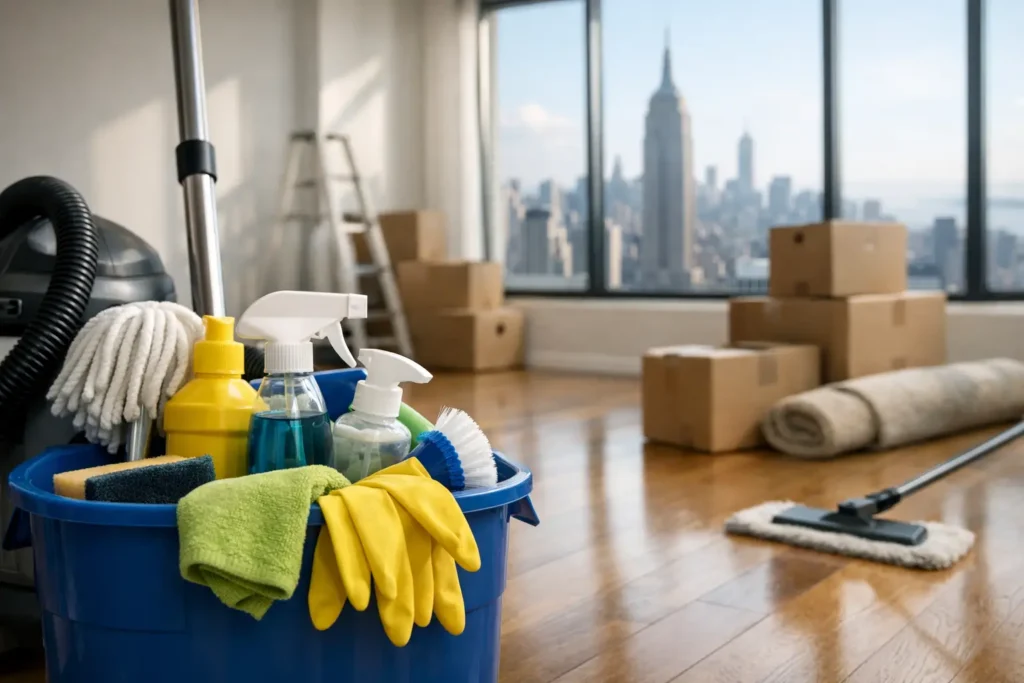
The last box is still on the curb, the keys are in your hand, and the apartment looks mostly fine – until you open the fridge, check the cabinet corners, or see the dust sitting on the baseboards. Cleaning before moving in is the easiest way to make a new place feel like yours before furniture, groceries, and daily life fill every room.
For New Yorkers, timing matters. Lease dates can overlap by only a few hours, elevator reservations are tight, and a building may expect you to move in on schedule. A focused pre-move clean helps you start fresh without turning move day into another full-time job.
Why Cleaning Before Moving In Is Worth It
Even a well-maintained apartment can hold onto signs of the previous tenant. Dust collects in closets and vents. Kitchen grease settles inside cabinets. Bathroom surfaces may look clean from a distance but still need disinfecting. If the unit has been vacant for a while, you may also find stale odors, dead bugs, or construction dust from recent repairs.
Once your belongings are inside, cleaning becomes slower and more complicated. You have to work around boxes, bed frames, rugs, and packed closets. Starting with an empty home gives you access to every floor edge, shelf, fixture, and hard-to-reach corner.
A move-in clean is not just about appearances. It lets you inspect the condition of the home before you settle in. If you notice a leak under the sink, a dirty vent, damaged grout, or a refrigerator that needs attention, document it and contact your landlord or building manager right away. Photos taken before move-in can prevent confusion later.
Clean First, Then Bring in the Boxes
The best order is simple: inspect the apartment, clean the high-use areas, let surfaces dry, then move your items in. If your move schedule allows, aim to clean the day before your furniture arrives. If that is not possible, reserve a few uninterrupted hours before the movers show up.
Start with the kitchen
The kitchen deserves the most attention because it is where food, grease, and crumbs build up. Begin at the top with cabinet exteriors, then wipe down the insides of cabinets and drawers before lining them or putting anything away. Check corners, hinges, and the space beneath the sink.
Clean the refrigerator inside and out, including shelves, drawers, seals, and the area underneath if it can be safely moved. Wipe the microwave, stovetop, oven door, and range hood. An oven may need a deeper clean if there is baked-on residue or a lingering smell. Finish with the counters, backsplash, sink, and floor.
If you are moving into a smaller NYC kitchen, this step also helps with organization. You can decide where dishes, pantry items, and appliances belong before your counter space disappears under moving boxes.
Give the bathroom a real reset
Bathrooms can look presentable while still needing detailed work. Clean and disinfect the toilet, sink, faucet handles, shower walls, tub, and floor. Pay attention to the grout, shower track, drain, and underside of the toilet seat. These are the spots that often get missed during a quick turnover.
Check for slow drains, loose fixtures, mold around caulk, or water damage under the vanity. Cleaning first makes those issues easier to spot. If anything looks like a maintenance problem rather than routine dirt, take photos before you use the space.
Work from high to low in every room
Dust does not stay on shelves. It settles on ceiling fans, light fixtures, vents, window sills, door frames, baseboards, and floors. Working from high to low keeps you from cleaning the same area twice.
Wipe reachable surfaces with the right product for the material. Use care on painted walls, natural stone, wood, and stainless steel, since harsh cleaners can leave marks or dull the finish. Vacuum along baseboards and inside closets, then mop or clean the floors last.
Do not overlook interior doors, switch plates, handles, and closet shelves. These small touchpoints make a bigger difference than people expect. A clean closet is especially satisfying when you are unpacking clothes after a long move day.
The Areas Renters Often Miss
A standard wipe-down is helpful, but a few overlooked areas can make a home feel less fresh than it should. Take a close look at window tracks, radiator covers, blinds, air vents, cabinet tops, and the space behind appliances. In older buildings, these areas can hold years of dust.
If the apartment has carpeting, inspect it in good light for stains, pet hair, or odors. Vacuuming may be enough for a lightly used carpet, but deep cleaning is a better choice when there are visible marks or a strong smell. The same goes for upholstered furniture left behind with the unit – it depends on its condition and whether you plan to use it.
For hardwood, laminate, or tile floors, use a cleaner suited to the surface. Too much water can damage some flooring, especially around seams. The goal is a clean finish, not a soaking-wet floor that delays your move.
Decide What You Can Handle and What to Outsource
A basic move-in cleaning can be manageable if the apartment was recently cleaned, the home is small, and you have time before the move. But a deep clean takes longer than most people plan for, especially when the kitchen, bathroom, appliances, and floors all need attention.
Professional help makes sense when you are moving on a tight schedule, arriving from out of town, managing a larger home, or dealing with a unit that needs more than a surface clean. It is also a practical option when you want to use your limited move-in window for meeting movers, setting up utilities, and getting essential rooms ready.
A dependable cleaning team can handle the work while the space is empty, so you can unpack into a home that feels clean from the first night. Smart Cleaning helps New York residents take the stress out of move-in day with detailed cleaning support built around real schedules.
A Practical Move-In Cleaning Plan
Before the cleaning starts, walk through the unit with your phone and note anything that needs repair. Then remove any leftover items, open windows if the weather and building rules allow, and make sure water and electricity are on. If you are coordinating with a cleaner, confirm building access, elevator rules, parking instructions, and the time movers are expected.
Focus on the rooms you will need immediately: the bathroom, kitchen, bedroom, and entryway. You do not need to fully organize every shelf on day one. What matters is having a sanitary bathroom, a usable kitchen, clean floors, and a comfortable place to sleep.
Keep one small box aside with essentials such as toilet paper, hand soap, paper towels, trash bags, chargers, medication, bedding, and cleaning wipes. It prevents a late-night search through twenty identical boxes when you are already tired.
Make the First Night Easier
After cleaning before moving in, resist the urge to unpack everything at once. Assemble the bed, set up the shower, stock the fridge with a few basics, and clear a path through the main rooms. The rest can wait until tomorrow.
A clean home does more than remove dust bunnies and old odors. It gives you a calmer first night, a clearer picture of the space, and one less task competing for your attention when the city is already moving at full speed.