
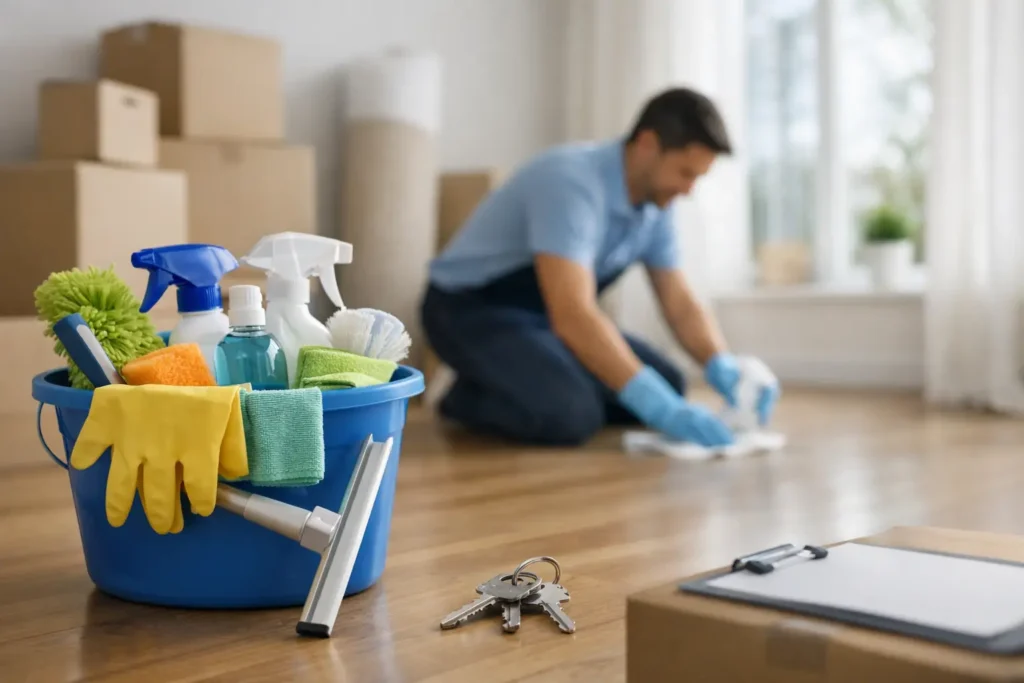
A move-out inspection can happen fast, sometimes while boxes are still heading down the elevator. Rental deposit cleaning gives your apartment the close attention it needs before you hand back the keys, so dirt, grease, and overlooked corners do not become one more moving-day problem.
For New York renters, the goal is simple: leave the space clean, empty, and ready for the landlord or property manager to review. That does not mean making an older apartment look brand new. It means handling the mess that accumulated during your tenancy and putting the home in the best possible condition for a smooth handoff.
What rental deposit cleaning is meant to handle
A standard weekly clean keeps a home comfortable. Move-out cleaning goes further because the focus shifts from everyday upkeep to the details that are easy to miss when furniture, rugs, and personal items are still in place.
Once an apartment is empty, dust behind the bed, crumbs under appliances, residue inside cabinets, and marks along baseboards become much more visible. A proper rental deposit clean addresses those high-visibility areas while giving the kitchen and bathroom the deeper attention they usually need.
The work commonly includes cleaning floors, baseboards, interior windows where accessible, closet shelves, cabinets, sinks, counters, tubs, toilets, showers, and appliances. It also means removing the everyday evidence of living in the space: fingerprints on doors, dust on ledges, grease near the stove, and buildup around fixtures.
The exact scope depends on your apartment and your lease. A studio with one bathroom may need a focused reset, while a multi-bedroom home, a place with pets, or an apartment that has not been professionally cleaned in a while may require more time. The best approach is an honest assessment before moving day, not a rushed cleaning after the truck has arrived.
Rental deposit cleaning vs. normal wear and tear
Cleaning can protect your position during a final inspection, but it is not a magic fix for every issue. Normal wear and tear is different from damage, and that distinction matters when deposits are discussed.
Faded paint, minor wear on flooring, or aging fixtures may be part of ordinary use, particularly in an older New York building. On the other hand, sticky cabinet interiors, a heavily soiled oven, excessive pet hair, food debris, or soap buildup are cleaning issues that should be addressed before you leave.
Scratches, broken fixtures, wall holes, burns, stains that will not lift, and missing items may require repair rather than cleaning. If you find an issue early, you have more options. You may be able to patch it, schedule a specialist, or speak with your landlord before the final walkthrough instead of being surprised later.
Your lease and any move-out checklist from the building should be your starting point. Some property managers have specific expectations for appliances, floors, trash removal, or keys. Following that list does not guarantee a particular deposit outcome, but it helps you focus on the items your building is likely to inspect.
The rooms that get the closest look
Kitchens need more than a quick wipe
Kitchens carry the most visible signs of daily use. Grease can collect on cabinet fronts, backsplash tile, stove knobs, vent areas, and the wall near the range. Inside the refrigerator, shelves and drawers may have spills that are easy to overlook until the appliance is empty.
The oven deserves extra planning. Light use may only call for a thorough wipe-down, but baked-on grease and old spills can take time and the right cleaning method. Avoid using harsh products on a surface unless you know they are suitable for that appliance. A damaged oven surface is worse than a little remaining grime.
Do not forget the places around the appliances. Pulling out a movable refrigerator or stove can reveal crumbs, grease, and dust that have been hidden for months or years. If an appliance cannot be safely moved, clean the accessible areas thoroughly rather than forcing it.
Bathrooms show buildup quickly
A bathroom can look clean at first glance and still fail the close-up test. Soap scum on shower doors, mineral deposits around faucets, residue in the tub, hair in drains, and dust around the toilet base all stand out in an empty room.
Focus on the fixtures, tile, grout, mirror, vanity, drawers, and medicine cabinet. Clear out all personal products and check under the sink. Leaving behind half-used bottles, old razors, or trash bags creates extra work for the next person and can make an otherwise clean bathroom feel unfinished.
Empty rooms reveal the missed spots
Bedrooms and living areas generally require less intensive cleaning than kitchens and bathrooms, but they still need a full reset. Vacuum or mop the floors, clean baseboards and window ledges, wipe closet shelves, remove adhesive residue where possible, and check every drawer.
Walk through the apartment with the lights on after it is empty. Look at walls from different angles for marks, check corners for cobwebs, and open every closet. This final pass is where many renters find the last few items that could have been missed during a rushed move.
A practical move-out cleaning schedule
Trying to clean a full apartment after all the furniture is gone can make a long day even longer. Start before move-out day by decluttering and packing nonessential items. As rooms empty out, clean the interiors of closets, cabinets, and drawers instead of saving everything for the end.
The final cleaning should happen after most belongings are removed. That is when floors, baseboards, and areas behind furniture can be cleaned properly. If your building schedules an elevator window or requires a certificate of insurance for movers, plan your cleaning around those time limits too. New York moves run on schedules, and leaving cleaning to the last hour creates unnecessary pressure.
Before the inspection, remove all trash and recycling according to your building’s rules. Take photos or a short video of each clean room, including appliances and bathrooms. This creates a clear record of the condition in which you left the apartment. Keep copies of your lease, move-out notices, and any communication about the handoff as well.
When professional cleaning makes sense
Professional help is useful when time is tight, the apartment needs a deeper clean, or you simply do not want to spend your final day scrubbing an oven. It can be especially helpful for renters balancing a new job, a long-distance move, children, pets, or a narrow building move-out window.
A cleaning team also brings a more systematic eye to the job. Instead of working around packed boxes and guessing what to prioritize, you can have the apartment cleaned once it is empty and ready. Smart Cleaning helps New York renters handle that final reset with dependable scheduling and move-out service built for busy transitions.
Be clear about the property size, number of bathrooms, appliance condition, pet hair, and any areas that need extra attention when requesting service. This helps set realistic expectations for the appointment. Deep oven cleaning, inside-cabinet cleaning, wall washing, heavy buildup, and large amounts of debris may take additional time, so it is better to discuss them upfront.
A final check before you return the keys
Do one slow walkthrough with your phone flashlight. Check the refrigerator, oven, dishwasher, cabinets, closets, bathroom drawers, window ledges, and the back of every door. Then look down: floors, corners, baseboards, and under-sink areas are where the last surprises tend to be.
A clean, empty apartment is one less thing to worry about when you are changing addresses. Give yourself enough time to finish the job properly, or arrange dependable help, and leave the old place ready for whatever comes next.