
The final walkthrough is not the moment to notice grease behind the stove, dust on the blinds, or a bathroom cabinet you forgot to empty. Move out cleaning gives your apartment or home the fresh, cared-for finish it needs before keys change hands. In New York, where move dates, elevator windows, building rules, and packed schedules can all collide, having a clear plan makes the process far less stressful.
A good clean is not about making a place look perfect for five minutes. It is about clearing away the signs of everyday living so the next resident can walk into a space that feels ready. Whether you are a renter hoping for a smooth handoff, a homeowner preparing for a sale, or a landlord resetting a unit, the details matter.
Start Move Out Cleaning After the Boxes Are Gone
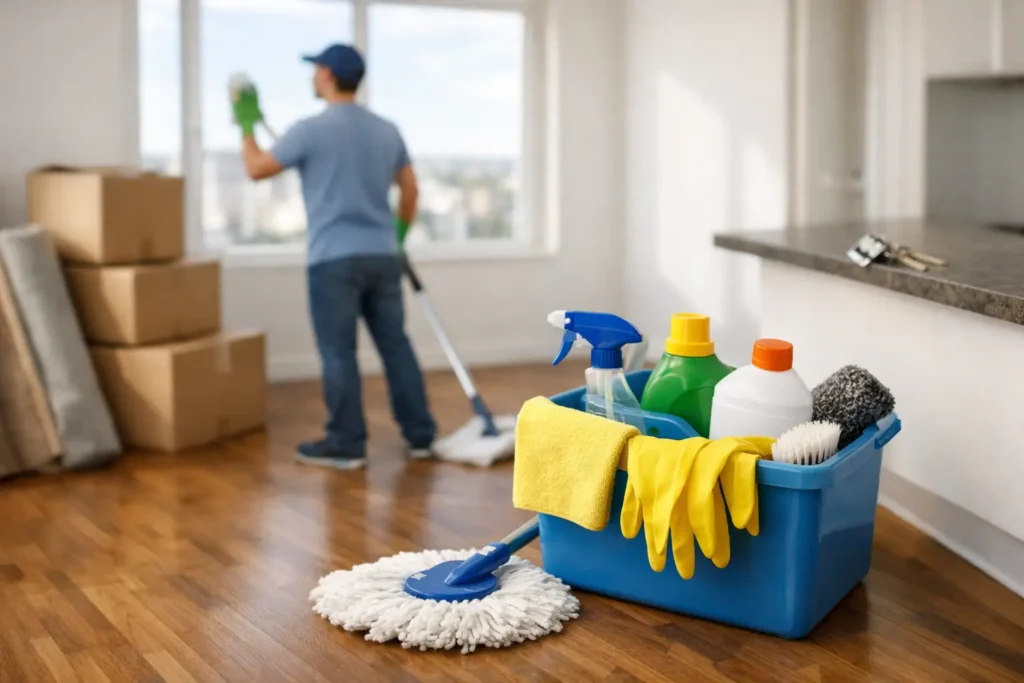
Cleaning around stacks of boxes wastes time. The best time to do the real work is after furniture, clothes, and personal items are out of the space. That is when you can reach baseboards, corners, closet shelves, floors, and the areas behind appliances that collect more than their fair share of dust.
If your moving day is packed, schedule cleaning for immediately after the movers leave or the next available window before your final inspection. New York buildings often require reserved elevator times, so build your cleaning plan around that schedule rather than assuming you will have an open-ended day.
Before cleaning begins, do one quick sweep through every room with a trash bag and a donation box. Check drawers, medicine cabinets, closets, storage spaces, and the top shelves that are easy to miss. A clean apartment still creates a poor impression if the new tenant finds a forgotten phone charger, old mail, or half-used cleaning products.
What Move Out Cleaning Usually Includes
Move out cleaning goes beyond the routine wipe-down you might do before company arrives. The goal is to address the buildup that develops gradually and is easy to overlook while you are living in the space. The exact scope depends on the condition of the property, your lease requirements, and whether appliances or furniture are staying behind.
Put extra attention on the kitchen
The kitchen usually takes the longest because it collects grease, crumbs, food residue, and hidden messes. Empty every cabinet and drawer, then wipe the interior as well as the fronts and handles. Clean countertops, backsplashes, sinks, faucets, and the outside of major appliances.
If the oven and refrigerator are included in your lease or sale, they deserve focused attention. Remove food, wipe shelves and drawers, clean spills, and check under removable pieces where crumbs settle. For the oven, clean racks, the door glass, and interior surfaces according to the appliance manufacturer’s instructions. Heavy, baked-on grease may require more time and stronger products than a standard kitchen clean.
Do not forget the area around and beneath the appliances if it is safely accessible. It is one of those small details that can quickly signal whether a move-out clean was thorough or rushed.
Make the bathroom feel reset
Bathrooms need more than a quick spray and rinse. Scrub the tub or shower, tile, grout, shower door or curtain rod, toilet, sink, vanity, mirrors, fixtures, and shelves. Mineral buildup around faucets and soap residue on glass are especially common in frequently used bathrooms.
Take a close look at the exhaust fan cover, base of the toilet, and edges of the vanity. These are easy to skip, but they are also easy to spot during a walkthrough. If there is mold, damaged caulk, or a maintenance issue, cleaning may not solve the problem. Document the condition and notify the appropriate building manager or owner instead of trying to cover it up.
Finish bedrooms and living areas from top to bottom
In bedrooms, living rooms, hallways, and entry areas, start high and work down. Dust ceiling fans, vents, light fixtures, blinds, window sills, shelves, and baseboards before vacuuming or mopping the floor. This order keeps you from re-cleaning surfaces after dust falls.
Wipe closet shelves and rods, including the upper ledges. Clean doors, handles, switch plates, and visible marks on walls with a gentle method that will not remove paint. Spot cleaning is often enough for minor scuffs, but deep scratches, nail holes, or discoloration may require repair rather than cleaning.
Windows can make a vacant space look dramatically brighter, especially in apartments with strong natural light. Clean interior glass when possible, along with tracks and sills. Exterior window cleaning may be restricted by building rules, height, or safety concerns, so do not take unnecessary risks trying to reach inaccessible glass.
Know the Difference Between Cleaning and Repairs
A common mistake is expecting cleaning to fix every issue found at move-out. Cleaning can remove dirt, dust, residue, fingerprints, and everyday buildup. It cannot reliably repair broken fixtures, remove major wall damage, restore worn flooring, or correct plumbing and electrical problems.
Review your lease or closing agreement before you begin. Some landlords expect a professionally cleaned unit, while others simply expect the space to be returned in broom-clean condition. Some move-out charges may be related to repairs, not cleanliness. Understanding the difference helps you spend time and money in the right places.
Take date-stamped photos after the clean is finished. Capture each room, the inside of appliances, bathrooms, closets, floors, and any pre-existing damage. Photos are not a substitute for a clean space, but they provide a useful record of the condition in which you returned it.
DIY or Professional Move Out Cleaning?
Doing it yourself can make sense when the home is small, well maintained, and you have enough time after the move. It gives you direct control over the work, and it may be the lower-cost option if you already have supplies and do not face a tight deadline.
The trade-off is energy. Moving is physically demanding, and deep cleaning a vacant home can take longer than expected. By the time you have handled movers, utility shutoffs, key returns, and building logistics, cleaning a refrigerator coil or scrubbing a shower may be the last thing you want to do.
Professional move out cleaning is often the practical choice when timing is tight, the property needs a deeper reset, or you are coordinating a move from outside the city. A reliable team can arrive with the right supplies, follow a room-by-room process, and help you avoid a late-night cleaning marathon before inspection day. Smart Cleaning supports New York moves with responsive service designed to take one major task off your plate.
A Simple Plan for a Smoother Handoff
The most effective move-out plan is simple: remove everything first, clean the highest-impact areas thoroughly, then inspect the space slowly before you leave. Open cabinets. Look behind doors. Turn on the bathroom light. Stand at the entry and view each room as someone seeing it for the first time.
Keep the final hour for the details that make a property feel finished. Empty the trash, replace any burned-out bulbs if required, check that appliances are empty, and make sure no cleaning supplies remain under sinks or in closets. If your building has disposal rules, plan ahead for bags, boxes, and unwanted items rather than leaving them in a hallway or on the curb.
A move is already a lot to manage. Give your dust bunnies the boot, leave the space with confidence, and save your energy for settling into what comes next.